F1 Dutch GP Sprint Race: Winners and Losers Analyzed
Formula 1's inaugural and only sprint race at the Dutch Grand Prix delivered mixed results despite its historic significance. The experimental format produced clear winners and losers on the Zandvoort circuit.
Sunday, August 23, 2026
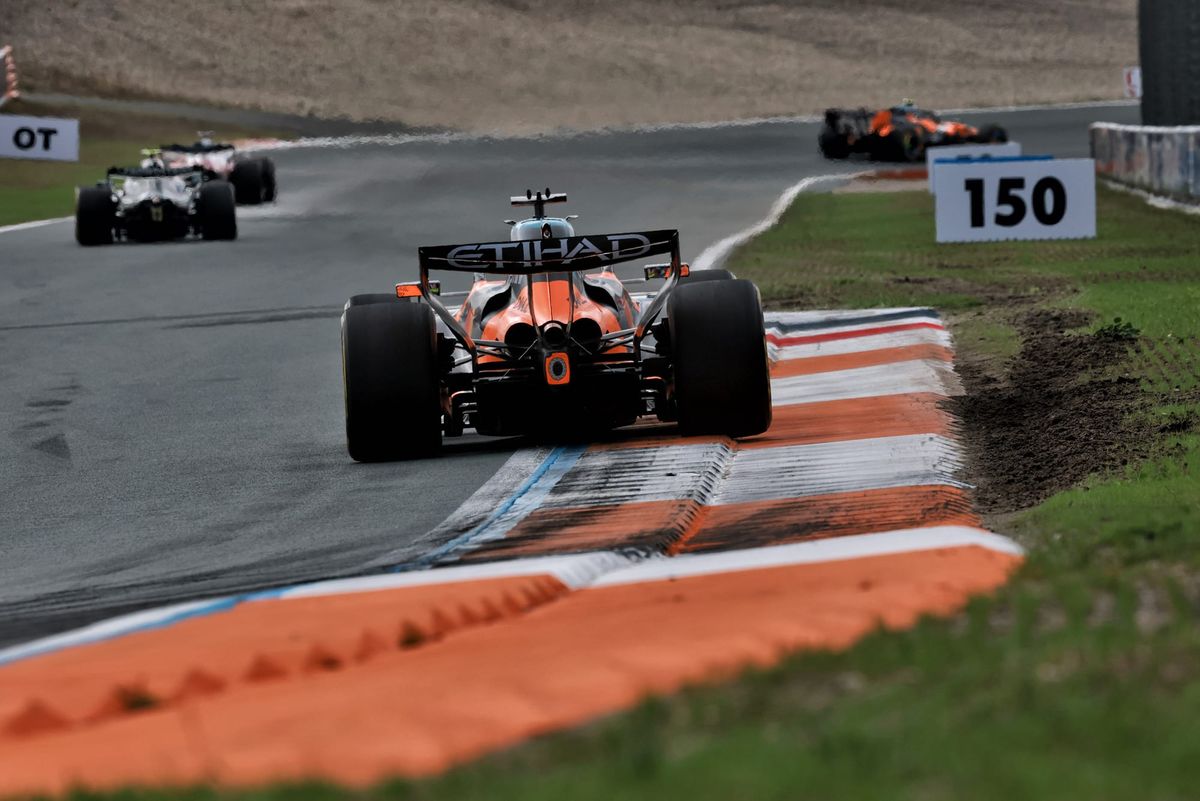
Historic but Underwhelming: F1's Only Dutch GP Sprint
Formula 1 made history at the Dutch Grand Prix with its first-ever sprint race format at Zandvoort, though the event fell short of being a memorable spectacle. Despite the experimental nature of the competition, the racing produced distinct winners and losers who emerged from the unconventional format.
The Sprint Format Experiment
The sprint race represented a significant departure from traditional F1 qualifying and race procedures. Instead of the standard single-lap qualifying session, teams competed in a shorter race format that determined grid positions for the main Grand Prix. While innovative in concept, the execution at Zandvoort proved less thrilling than organizers may have hoped.
Winners from the Dutch Sprint
Several drivers and teams capitalized on the sprint race format to gain strategic advantages heading into Sunday's main event. Those who adapted quickly to the revised schedule and managed tire wear effectively secured favorable starting positions. Strategic pit stop decisions and aggressive driving during the limited race distance rewarded those teams with strong preparation and tactical acumen.
Losers Face Setbacks
Conversely, some drivers found themselves disadvantaged by the sprint race outcome. Those who struggled with tire management during the compressed schedule or suffered unexpected technical issues faced uphill battles for the main race. The format's brevity meant limited opportunities to recover from early mistakes or strategic miscalculations, leaving some competitors frustrated.
A One-Time Experiment
Remarkably, this Dutch Grand Prix sprint would mark the only time F1 ever attempted this particular format at Zandvoort. The decision not to repeat the experiment suggests organizers and stakeholders recognized limitations in how the sprint race functioned at this specific venue. The racing spectacle, while historically significant, didn't generate the dramatic moments or compelling storylines that might have justified continued implementation.
Looking Forward
The Dutch Grand Prix sprint race serves as a notable footnote in Formula 1 history—a bold experimental format that produced winners and losers but ultimately proved to be a one-off innovation. The race demonstrated both the potential and limitations of sprint racing, offering valuable lessons for the sport's future development.