What AI Learning Reveals About the Nature of Intelligence
As artificial intelligence systems demonstrate increasingly sophisticated learning capabilities, researchers are forced to reconsider fundamental definitions of intelligence itself. The mechanisms behind AI learning offer new insights into how both machines and humans acquire and process knowledge.
Monday, August 31, 2026
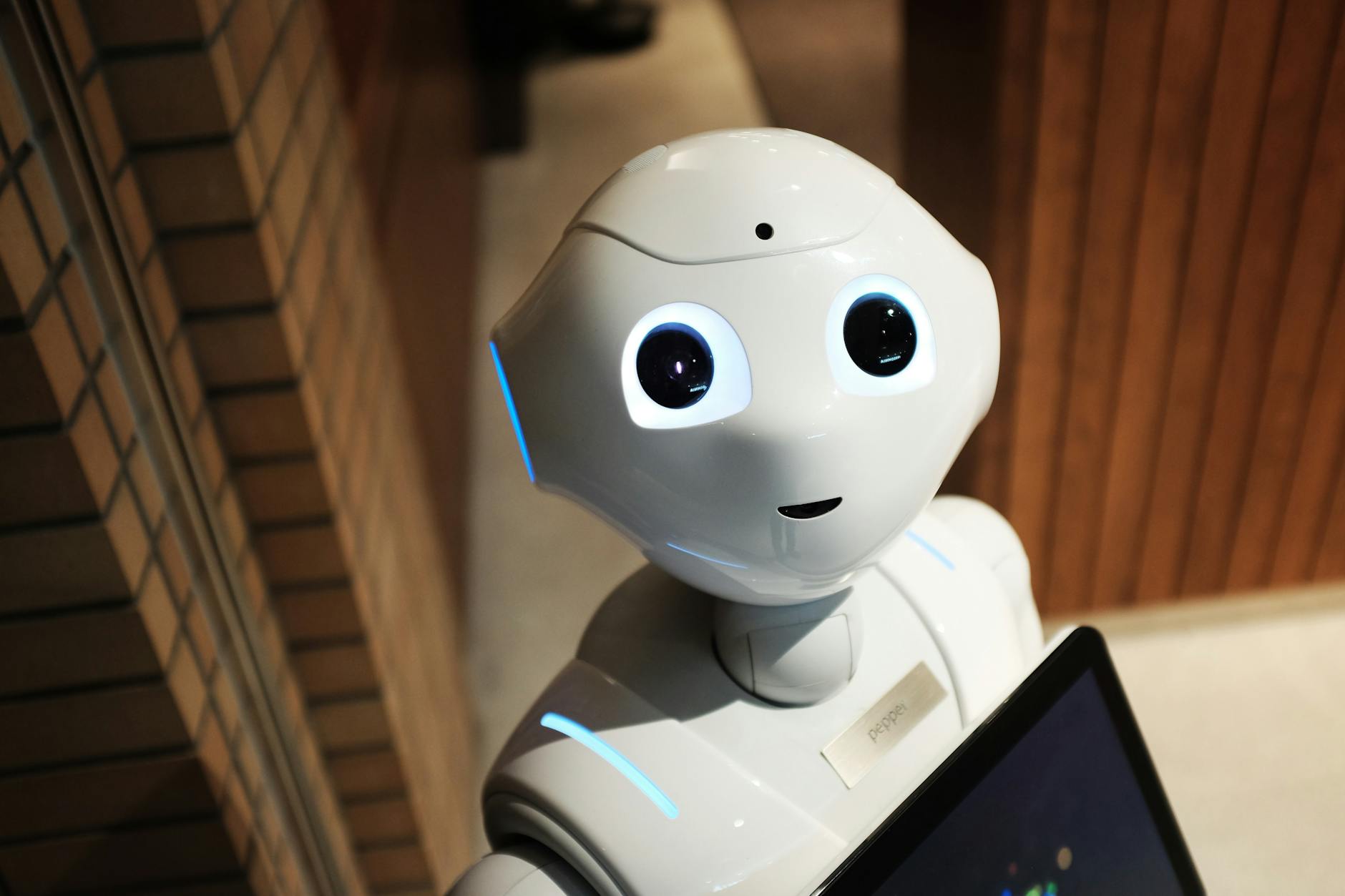
Understanding AI Learning
The rapid advancement of artificial intelligence systems has prompted a critical examination of how machines learn and what that process reveals about intelligence itself. As AI systems demonstrate increasingly complex problem-solving abilities, scientists and researchers are being forced to revisit and redefine what we truly mean by "intelligence." The mechanisms underlying AI learning—from neural networks to deep learning algorithms—provide a lens through which we can better understand both artificial and human cognitive processes.
The Core Question: Defining Intelligence
Traditionally, intelligence has been defined in human terms: the ability to reason, learn from experience, and adapt to new situations. However, as AI systems accomplish tasks once thought to require uniquely human cognition, the boundaries of this definition continue to blur. Machine learning models can recognize patterns, make predictions, and even generate creative content without possessing consciousness or subjective experience. This paradox has led researchers to consider whether intelligence might be better understood as a spectrum of capabilities rather than a single, monolithic trait.
Learning as the Common Thread
One significant finding emerging from AI research is that learning appears to be the fundamental mechanism underlying all forms of intelligence. Whether examining human brains or artificial neural networks, the ability to process information, identify patterns, and refine responses based on feedback seems central to intelligent behavior. AI systems improve through exposure to data and iterative adjustment, much like humans learn through experience and practice. This parallel suggests that learning processes themselves may be more fundamental to intelligence than we previously understood.
Implications for Future Research
The study of AI learning has profound implications for neuroscience, psychology, and philosophy. By reverse-engineering intelligence through artificial systems, researchers can test theories about how cognition works. Conversely, insights from human learning inform more effective AI development. This bidirectional exchange accelerates our understanding of what intelligence truly encompasses and how it manifests across different substrates—biological and digital alike.
Moving Forward
As AI systems continue to evolve and demonstrate new capabilities, the question of what we mean by intelligence becomes increasingly urgent. The investigation into how AI learns offers valuable frameworks for understanding the nature of human cognition while challenging us to expand our definitions of intelligence beyond traditional metrics. This ongoing dialogue between artificial and natural intelligence promises to reshape our fundamental understanding of the mind itself.