Scientists Create Hybrid Mice With Human Brain Cells for Better Treatment Testing
Researchers have successfully implanted human brain organoids into genetically engineered mice, creating a breakthrough model for studying autism and epilepsy. The hybrid system allows scientists to observe human brain cell behavior in a living organism, potentially revolutionizing drug testing.
Friday, September 18, 2026
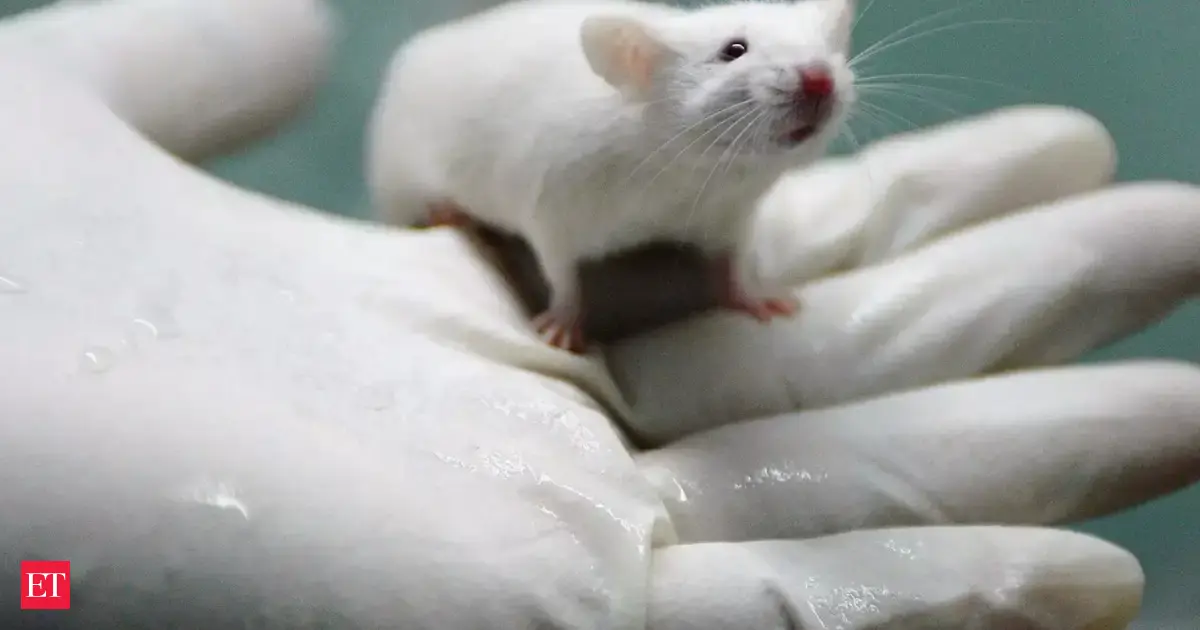
Revolutionary Approach to Brain Disorder Research
Scientists have developed an innovative method for testing treatments for complex neurological disorders by implanting human brain organoids into specially engineered mice. This groundbreaking approach addresses a critical limitation in traditional drug development: standard laboratory mice cannot adequately replicate the complexity of human brain disorders like autism and epilepsy.
Human Cells Survive and Integrate Successfully
The research demonstrates that human brain cells can not only survive within the mouse host but also successfully integrate with the animals' existing nervous systems. This integration is crucial for creating a functional model that mimics how human brains respond to experimental treatments. The cells established connections with the mouse nervous system, creating a hybrid biological system that bridges the gap between basic laboratory research and human physiology.
Why Traditional Models Fall Short
Conventional mouse models have long been the standard for neurological research, but they have significant limitations. The mouse brain, while structurally similar to humans, lacks the organizational complexity and cognitive capability necessary to fully represent human brain disorders. Autism and epilepsy involve intricate neurological networks that function quite differently in rodents compared to humans. This disparity has led to numerous drug candidates failing in human trials despite showing promise in mouse studies.
Implications for Treatment Development
The new hybrid model offers researchers an unprecedented opportunity to observe human brain cell behavior within a living organism. This advancement could accelerate the identification of effective treatments while reducing the number of failed clinical trials. By testing potential therapies on human neural tissue integrated within a living system, scientists can gather more relevant data about drug efficacy and safety.
Future of Neuroscience Research
This development represents a significant step forward in personalized medicine and translational research. The ability to study human brain cells in a functional, living environment could transform how researchers approach treatment development for neurological conditions. As scientists refine this technology, it may eventually enable testing of patient-specific brain organoids, bringing medicine closer to truly personalized treatment strategies for autism, epilepsy, and other complex brain disorders.