Robot Brains Could Hit ChatGPT Moment by 2027, Expert Says
ACE Robotics chairman predicts a major breakthrough in AI-powered robots by 2027. Advanced AI models enabling robots to understand the physical world could transform the industry.
Monday, August 24, 2026
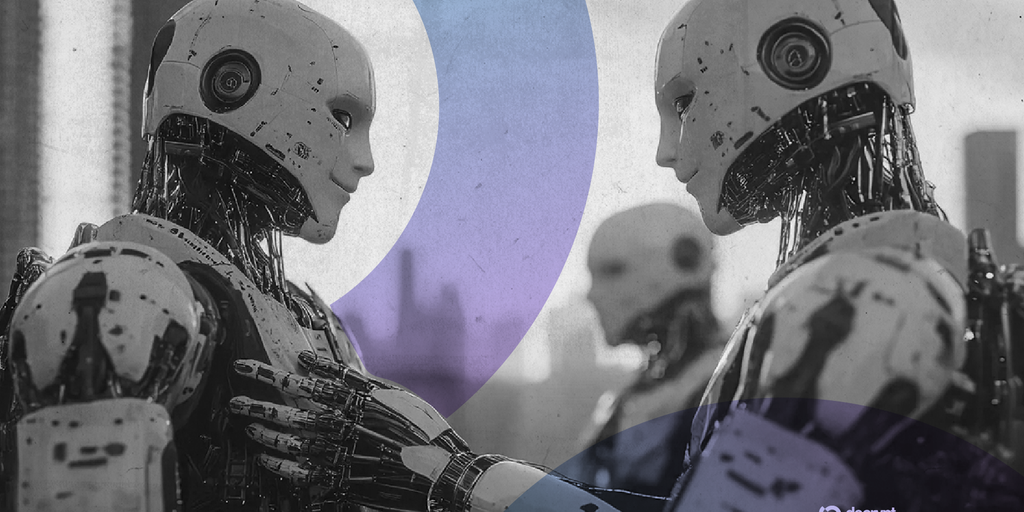
AI Models Could Transform Robotics by 2027
The robotics industry could experience a pivotal turning point within the next few years, according to ACE Robotics Chairman. The executive predicts that robot brains—powered by advanced artificial intelligence—could achieve their own "ChatGPT moment" as early as 2027. This breakthrough would represent a significant leap forward in how machines understand and interact with the physical world.
The Role of AI in Robot Development
The potential transformation hinges on the development of AI models specifically designed to help robots comprehend their environment and respond intelligently. Unlike current robotic systems that operate within narrow, pre-programmed parameters, these advanced AI models could enable machines to learn, adapt, and perform complex tasks with minimal human intervention. This capability mirrors the revolutionary impact that large language models like ChatGPT have had on artificial intelligence adoption and public awareness.
Challenges Remain Despite Promise
While the 2027 timeline offers an optimistic outlook for the robotics sector, widespread adoption of these advanced systems could still take considerably longer. Industry experts acknowledge that moving from breakthrough technology to mainstream deployment typically requires overcoming substantial technical, regulatory, and economic hurdles. Manufacturing at scale, ensuring safety standards, and addressing integration challenges represent just some of the obstacles ahead.
Market Implications
A major breakthrough in robot cognition could reshape multiple industries, from manufacturing and logistics to healthcare and consumer services. Companies investing in robotics technology are closely monitoring developments in AI-assisted robot brains, recognizing the potential competitive advantages that could come with early adoption. Such a breakthrough would likely accelerate research and development efforts across the sector.
Looking Forward
The prospect of robots achieving greater autonomy and understanding through advanced AI models represents a natural evolution of technological progress. Whether the industry achieves this milestone by 2027 or takes longer, the direction is clear: future robots will increasingly rely on sophisticated AI to navigate and operate in complex environments. Industry watchers will be monitoring developments closely as companies work toward this potential turning point.