Open Letter Blames Political Decisions for San Francisco Cyclist Death
An open letter to San Francisco's mayor questions the cancellation of protected bike lanes on Market Street, linking the decision to cyclist Yebin Kim's death. The letter calls for renewed commitment to street safety infrastructure.
Thursday, August 27, 2026
Political Choices and Public Safety
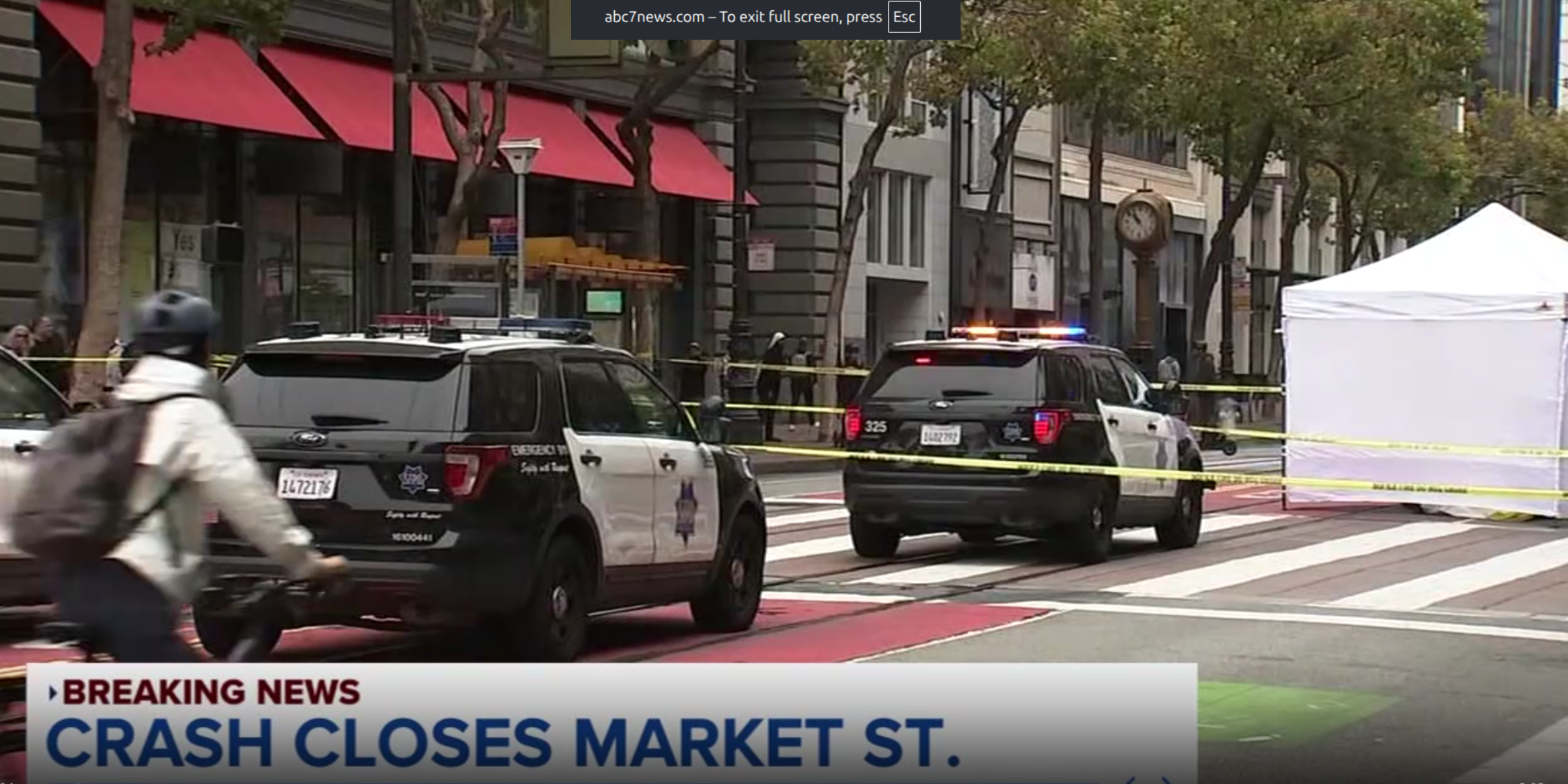
An open letter addressed to San Francisco Mayor London Breed raises critical questions about the intersection of politics and public safety, specifically highlighting the decision to cancel protected bike lanes planned for Market Street. The letter directly connects this policy reversal to the death of cyclist Yebin Kim, arguing that infrastructure decisions have life-or-death consequences for the city's residents.
The Market Street Context
Market Street represents a major thoroughfare in San Francisco where protected bike lanes were proposed as a safety measure for cyclists. The letter characterizes the cancellation of these safety improvements as a "grotesquely political decision," suggesting that politics rather than public welfare drove the policy choice. This framing positions street design decisions as more than technical matters—they are moral choices that affect who lives and dies on city streets.
Questions About Accountability
The open letter's core rhetorical strategy centers on a pointed question: What if it were the mayor's own child under a tent on Market Street? This emotional appeal aims to shift the perspective of city leadership, asking decision-makers to consider the human cost of infrastructure policies from a parent's viewpoint. By personalizing the stakes, the letter attempts to reframe street safety debates beyond abstract planning discussions.
Broader Safety Concerns
The reference to tents on Market Street indicates broader concerns about vulnerable populations and safety conditions in San Francisco. The letter suggests that canceling protective infrastructure contributes to an environment where vulnerable residents—including cyclists and unhoused individuals—face elevated risks. This connects bike lane policy to larger questions about how the city prioritizes different residents' safety and dignity.
Call for Policy Reversal
The letter explicitly states that "this situation can't be permitted to continue," calling for renewed commitment to implementing the protected bike lanes and preventing similar policy reversals. It frames continued inaction as a failure to learn from tragedy and argues that political considerations should not override public safety requirements.
The letter represents growing advocacy pressure on San Francisco's city leadership to recommit to cycling infrastructure and reassess what considerations should drive major street design decisions.