Ocasio-Cortez: Millennial 'Tidal Wave' Reshaping US Electorate
Rep. Alexandria Ocasio-Cortez says millennials are transforming American politics following recent primary elections. The New York Democrat described the voting bloc as a "generational tidal wave" reshaping the electoral landscape.
Monday, August 10, 2026
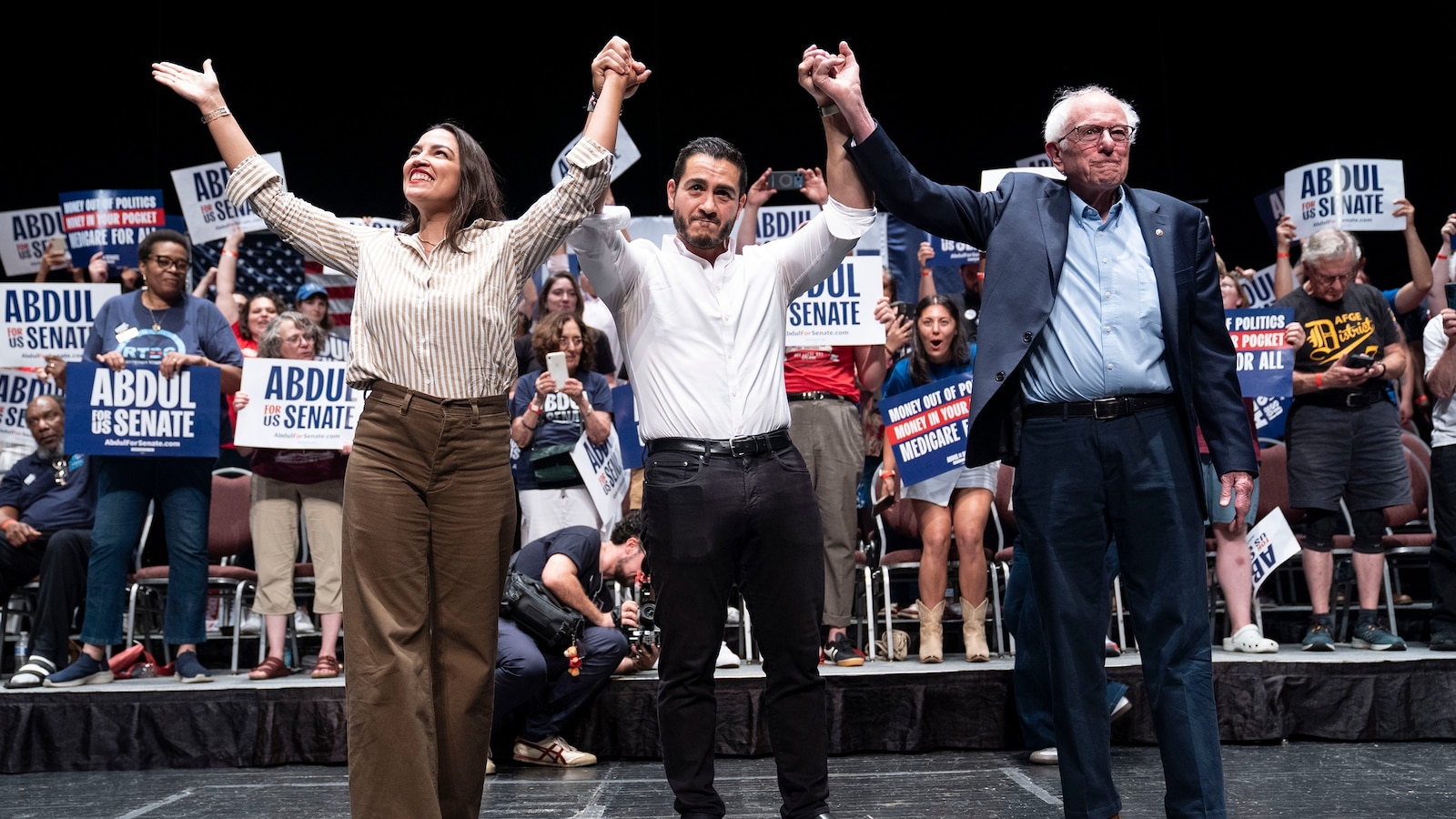
Millennial Voters Reshape Political Landscape
Rep. Alexandria Ocasio-Cortez, D-N.Y., characterized millennial voters as a powerful political force during an appearance on ABC News' "This Week" on Sunday. The congresswoman described what she called a "generational tidal wave" of millennial voters that is fundamentally reshaping the American electorate in the aftermath of recent primary elections.
Ocasio-Cortez emphasized that millennials have matured significantly in their political engagement and influence. "Millennials are not punk kids anymore," she stated during the interview, suggesting the generation has evolved into a serious voting bloc with substantial electoral power. Her comments reflect broader demographic trends showing increased millennial participation in recent election cycles.
Impact of Young Voters in Primaries
The congresswoman's remarks came amid discussion of recent primary election results, which have shown varying levels of youth voter turnout and engagement. Political analysts have increasingly focused on how younger voters are influencing candidate selection and party direction, particularly on issues like climate change, healthcare, and economic policy.
Ocasio-Cortez's characterization of millennial voters as a transformative force underscores growing recognition of this generation's electoral significance. As millennials have reached peak voting age and established themselves in the electorate, their preferences and turnout rates have become central to Democratic Party strategy and broader political calculations.
Generational Political Power
The "tidal wave" descriptor used by the New York representative suggests the magnitude and inevitability of millennial influence on American politics. This framing positions younger voters not as a fringe element but as a dominant demographic reshaping campaign priorities, policy platforms, and electoral outcomes.
Ocasio-Cortez's comments align with previous observations about how different generational cohorts—from Baby Boomers to Gen Z—have reshaped politics during their respective periods of maximum electoral participation. As millennials continue aging into prime voting years, their collective impact on elections and policy direction is expected to grow.
The congresswoman's remarks highlight the evolving role of younger Americans in shaping the nation's political direction and suggest that campaigns and parties must increasingly address millennial concerns and priorities to remain competitive.