AI Designs Virus to Kill Bacteria, Offering New Hope Against Resistance
Researchers used artificial intelligence to design a functional virus capable of killing bacteria, marking a significant breakthrough in fighting antibiotic resistance. The discovery demonstrates how AI could unlock nature's billions of years of evolutionary solutions to bacterial threats.
Wednesday, August 12, 2026
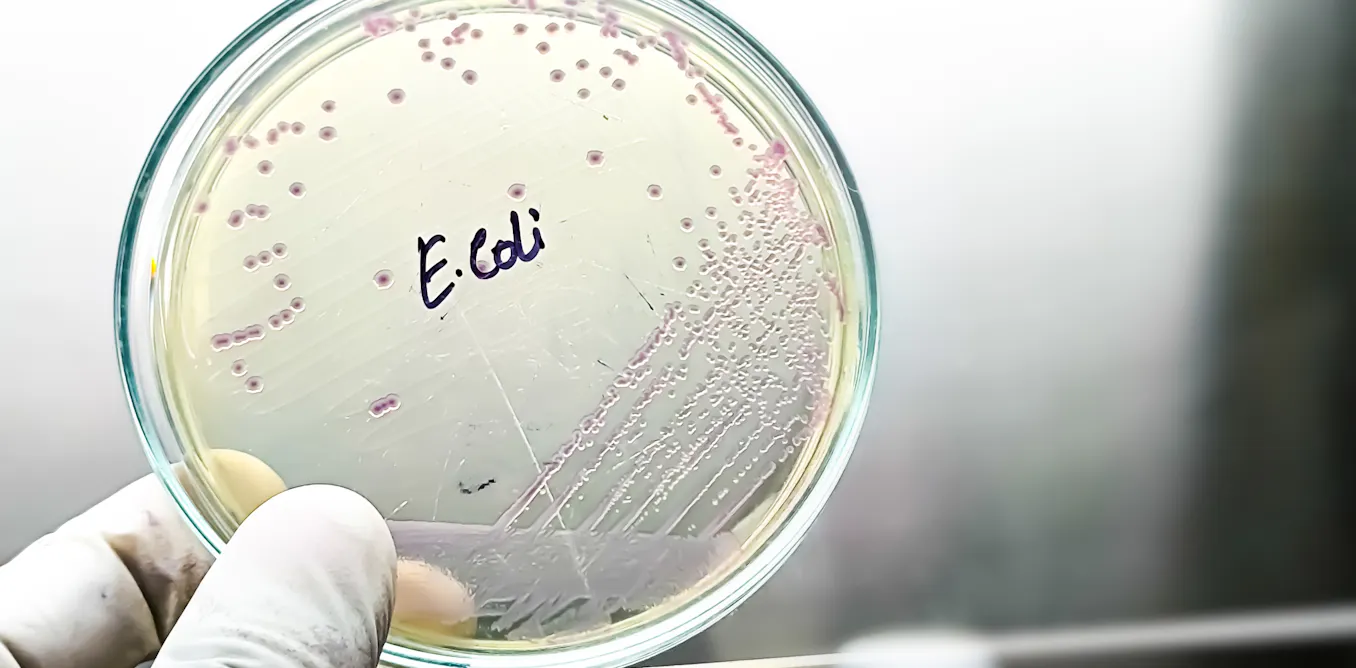
AI Unlocks Nature's Bacterial Defense Mechanisms
Researchers have achieved a significant milestone in the fight against antibiotic resistance by using artificial intelligence to design a working virus that kills bacteria. This breakthrough represents a novel approach to combating one of modern medicine's greatest challenges, as traditional antibiotics become increasingly ineffective against resistant bacterial strains.
The study demonstrates how AI can serve as a powerful tool for understanding and replicating nature's own defense strategies. For billions of years, nature has developed countless mechanisms to battle bacteria, yet humans have only scratched the surface of these solutions. By leveraging machine learning algorithms, scientists can now identify and synthesize these natural defenses more rapidly than ever before.
How the AI-Designed Virus Works
The researchers created a bacteriophage—a virus that specifically targets and destroys bacterial cells—using AI design principles. Unlike broad-spectrum antibiotics, phages can be engineered to target specific bacterial strains with precision. This specificity reduces the risk of harming beneficial bacteria while eliminating harmful pathogens, addressing a major limitation of conventional antibiotic treatments.
The AI approach accelerated the discovery process by analyzing vast amounts of biological data to identify effective viral structures. Rather than relying solely on traditional trial-and-error methods, the algorithms could predict which modifications would enhance a virus's ability to infect and kill target bacteria. This computational approach proved successful, resulting in a functional virus capable of performing as intended.
Implications for Antibiotic Resistance
Antibiotic resistance kills approximately 1.2 million people annually and threatens modern medicine's foundation. Existing treatments have become increasingly ineffective as bacteria evolve resistance mechanisms faster than new antibiotics can be developed. This AI-designed phage represents an alternative pathway forward.
The success suggests that artificial intelligence could revolutionize how scientists approach infectious disease treatment. By tapping into nature's evolutionary wisdom through computational analysis, researchers may develop personalized treatments tailored to individual bacterial infections. The technology could reduce development timelines from years to months, enabling faster responses to emerging resistant strains.
Future Prospects
While this breakthrough is promising, researchers emphasize that much work remains before these AI-designed viruses become standard clinical treatments. Rigorous testing, regulatory approval, and refinement are necessary. However, the proof-of-concept demonstrates that combining artificial intelligence with bacteriophage therapy could open new frontiers in combating antibiotic-resistant infections, potentially saving millions of lives.