Scientists Use Human Brain Organoids to Study Development in Mice
Researchers have successfully integrated human-derived neurons into mouse brains to study neurodevelopment. The breakthrough allows scientists to analyze how human brain circuits form and function at the behavioral level.
Thursday, September 17, 2026
Human Neurons Integrated Into Mouse Brains for First Time
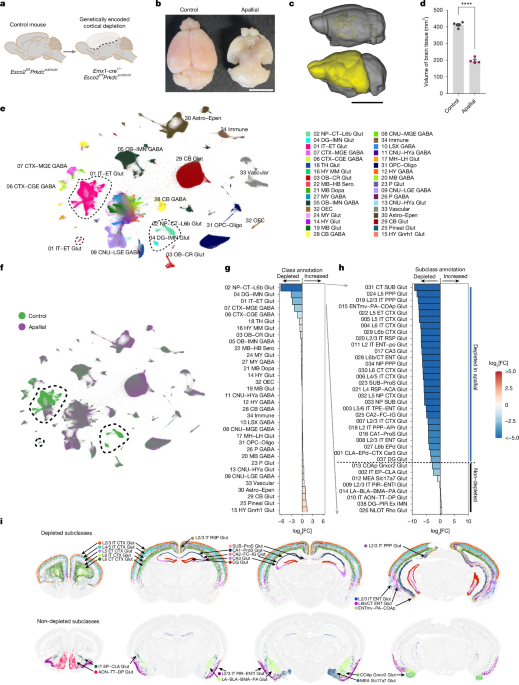
A groundbreaking study published in Nature demonstrates a novel technique called xenocortication, where human-derived neural organoids are incorporated into mouse brains to examine human neurodevelopment. This innovative approach allows researchers to observe how human brain circuits develop and influence behavior in a living organism, opening new avenues for understanding developmental neuroscience.
Advancing Brain Development Research
The xenocortication method represents a significant advancement in neurodevelopmental research. By transplanting human neurons into mouse brains, scientists can study the formation of complex neural circuits in ways that were previously impossible using traditional laboratory methods. This technique bridges the gap between in vitro studies of isolated neural tissue and in vivo analysis of brain function in living animals. Researchers can now examine how human neurons integrate with existing mouse neural networks and how these hybrid systems influence behavior and cognition.
Circuit-Level and Behavioral Analysis
The research enables scientists to conduct circuit-level analysis—examining how individual neural connections form and function—while simultaneously observing behavioral changes in the mice. This dual approach provides comprehensive insights into how developmental processes at the cellular level translate into observable behavioral outcomes. The ability to track neural development from the microscopic level to observable animal behavior represents a major methodological achievement in neuroscience.
Implications for Human Brain Research
This work has substantial implications for understanding human brain development and potential neurological conditions. Since researchers cannot perform extensive experimental manipulations on human brains directly, using human-derived organoids in animal models offers an ethical alternative for studying development, disease mechanisms, and potential treatments. The technique may eventually help illuminate the origins of neurodevelopmental disorders and guide the development of therapeutic interventions.
Future Directions
The xenocortication approach opens doors for future research into human-specific aspects of brain development that differ from other species. Scientists can now investigate how uniquely human neural properties emerge during development and how these characteristics contribute to human cognition and behavior. As the technique is refined, it could become an invaluable tool for studying both typical neural development and the mechanisms underlying developmental disorders.